Products / Microphones
Microphone series
Optical MEMS microphones: SBM140B and SBM100B
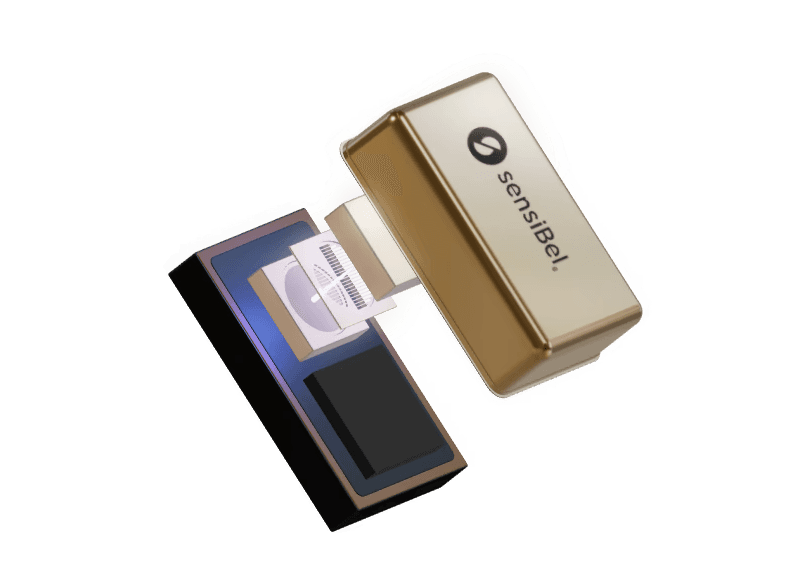
Two optical MEMS microphones. The SBM140B has 84 dBA SNR and 136 dB dynamic range, the highest of any digital MEMS microphone. The SBM100B has 80 dBA SNR and is available now.
84 dBA
Signal-to-noise ratio, SBM140B
10 dBA SPL
Equivalent input noise, SBM140B
136 dB
Dynamic range, SBM140B
146 dB SPL
Acoustic overload point, both models
The series
Products in this series
One optical MEMS platform, two noise levels. Both use the same PDM, I²S and TDM interfaces.

SBM140B
The lowest-noise and highest dynamic range MEMS microphone: 84 dBA SNR, 10 dBA SPL equivalent input noise, 146 dB SPL AOP, 136 dB dynamic range. Sampling now to select customers; production Q1 2027.
View SBM140B →
SBM100B
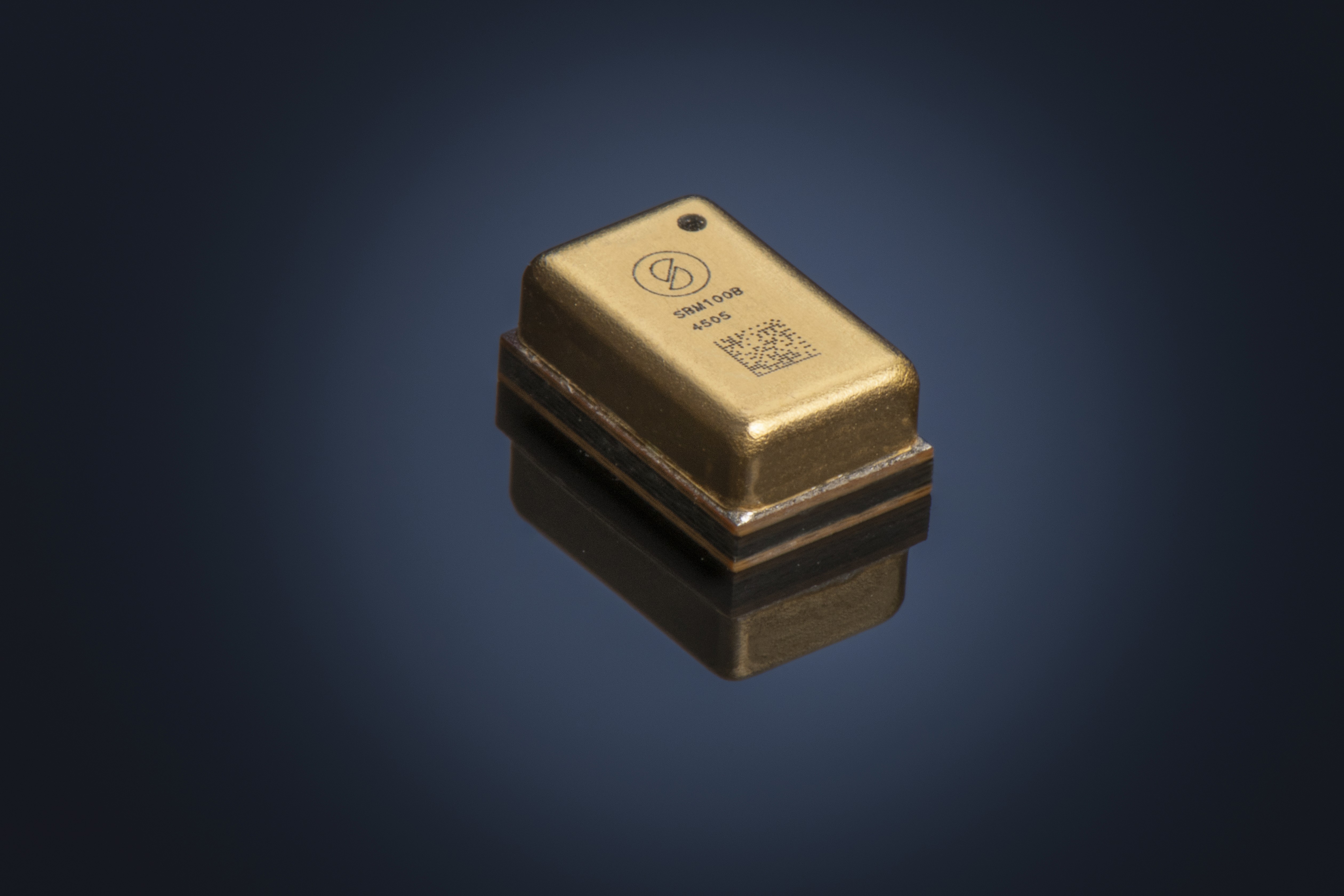
Studio-quality optical MEMS microphone: 80 dBA SNR, 146 dB SPL AOP, 132 dB dynamic range. Available now in PDM, I²S and TDM versions.
View SBM100B →
Compare
SBM140B vs SBM100B: specifications
Every key figure for both microphones, side by side. Full datasheets are available on request.
Parameter
SBM140B
SBM100B
Signal-to-noise ratio (20 Hz–20 kHz)
84 dBA
80 dBA
Equivalent input noise
10 dBA SPL
14 dBA SPL
Acoustic overload point (1 kHz, 10% THD)
146 dB SPL
146 dB SPL
Dynamic range
136 dB
132 dB
Sensitivity (94 dB SPL, 1 kHz)
−46 dBFS
−46 dBFS
Low-frequency roll-off (−3 dB re. 1 kHz)
10 Hz
10 Hz
Digital output
24-bit
24-bit
Interfaces
PDM, I²S, 8-channel TDM
PDM, I²S, 8-channel TDM
Sampling rate
Up to 192 kHz
Up to 192 kHz
Clock frequency
1.5–12 MHz
1.5–12 MHz
Supply voltage
1.8 V
1.8 V
Package
6 × 3.8 × 4 mm, bottom port
6 × 3.8 × 2.47 mm, bottom port
Form factor
Flex / SMD
Flex / SMD
Status
Sampling; production Q1 2027
Available
Choosing
Which microphone should I choose?
Choose the SBM140B
When the lowest possible noise matters most: microphone arrays and beamforming, far-field voice, spatial audio and ambisonics, pro audio and measurement. Its 10 dBA SPL self-noise keeps distant and quiet sounds above the noise floor, and its 136 dB dynamic range covers the loudest peaks in the same recording.
View SBM140B →
Choose the SBM100B
When you need parts now or a lower package height. It is available today, and at 2.47 mm it is 1.5 mm thinner than the SBM140B, which suits phones, laptops, earbuds and wearables.
View SBM100B →
Not sure?
Both share the same interfaces, supply voltage and footprint (6 × 3.8 mm), so you can start evaluating with one and move to the other.
Request samples →
Integration
Choose your digital interface
Every version of both microphones is available with the same three outputs.
PDM
A common stereo interface with very low latency and customisable bandwidth. Typical use: phones, laptops and earbuds.
I²S
A multi-bit stereo output that simplifies the signal chain. Typical use: pro and consumer audio.
8-channel TDM
Up to 8 microphones on a single data line. Typical use: microphone arrays and beamforming.
Evaluation kits
Evaluate before you design in
Record with sensiBel microphones within minutes, then move to your own board.


Questions
Frequently asked questions
What is the difference between the SBM140B and the SBM100B?
The SBM140B has 4 dB higher SNR (84 vs 80 dBA), 4 dB lower self-noise (10 vs 14 dBA SPL) and 4 dB more dynamic range (136 vs 132 dB). Both have a 146 dB SPL acoustic overload point. The SBM100B is available now and has a thinner package; the SBM140B goes into production in Q1 2027.
Which MEMS microphone has the highest SNR?
The sensiBel SBM140B has 84 dBA SNR (20 Hz–20 kHz), with 10 dBA SPL equivalent input noise. That is almost 14 dB higher than other digital MEMS microphones available today.
Can I get samples?
Yes. The SBM100B is available in PDM, I²S and TDM versions, in SMD and flex form factors. The SBM140B is sampling to selected customers.
Where can I find the datasheets?
Product briefs for both microphones can be downloaded from the documents page. Full datasheets and design files are available on request.
Are sensiBel microphones reflow compatible?
Yes. The package uses a bottom substrate and top metal lid, the industry standard for bottom-port MEMS microphones, and is SMT reflow compatible.